

About Us
Hi I’m Alvin Tucker. I live in Scotland and until recently operated a tourism business. Due to recent lockdown restrictions, my business went under unfortunately. However, this blog is for me the phoenix rising from the ashes as I publish lifestyle factors and issues in a new business way forward for me.
Take a look at what I've discovered and am now presenting to you here in this wonderful blog of mine.
Things You Can Do In The Wilds Of Scotland
My business was all about tourism in the wilds of Scotland, so I want to share with you just some of the amazing aspects of this stunning world location.
You will discover the very best places you can visit together with Scotland's ultimate places to walk.
If you've never been to Scotland, then you really must do what you can to visit. You will be coming for the sunshine and hot weather, but if you're looking for breath-taking landscape and scenery then Scotland has the very best to offer.

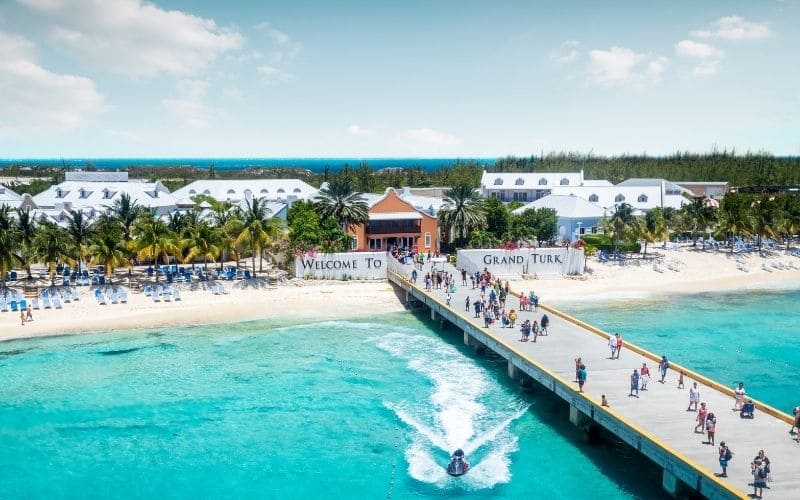
Living in the Caribbean is not the same as being on vacation obviously as this life is not for everyone so, I suggest you visit the caribbean before moving to the Caribbean, and you will understand why after you read the information below. Every time I say ...
Read More

Let's be real, men: We all want to know the desires of women. A group of scientists have asked the same question. In this post I have laid out 11 things that are science-backed that women find irresistible. Although good looks are important, they may not be as ...
Read More

Always bring antibacterial wipes with you when you travel. Have you ever wondered if there is something beneath the clean surface of your hotel room? Here are the 7 most disgusting things that you will find in a hotel room. 1. Remote controls They may contain bacteria like ...
Read More

You can start living life at a pace that allows for you to be fully present in what you do. What are the commonalities between urban gardens, home canning, vinyl record resurgence, and old trades? All of them are ways to tackle the same problem: the fast pace ...
Read More

You will learn to recognize gestures and body language, and be able to discern what your interlocutor really thinks. If you pay attention, body language can reveal a lot about how others think. Who hasn't wanted to be able to read other people's minds? It is possible to ...
Read More
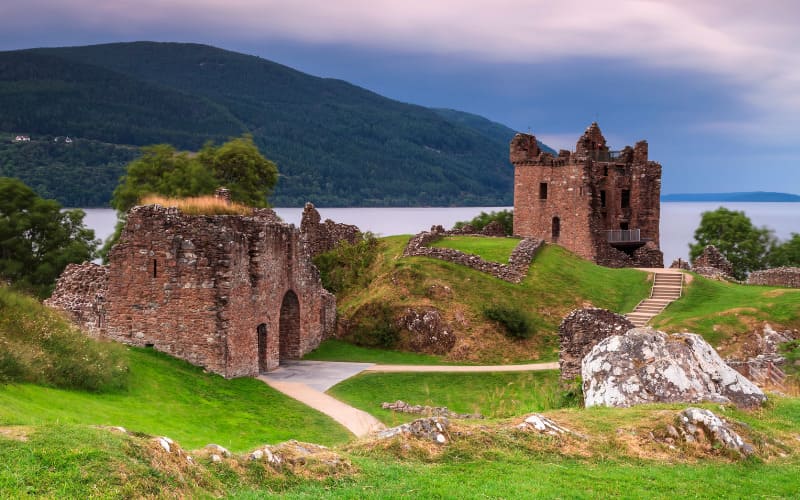
Loch Ness, home of Scotlands most mysterious and elusive creature, is an impressive loch by anyone’s standards. Stretching approximately 22 miles in length and up to 1mile in width, its deep waters are where mysteries were born. Waves appear unexpectedly and dark shadows haunt the surface. The ...
Read More

The Outer Hebrides are a truly unique place, like nowhere else in Scotland. It is here on the very edge of Europe that our Gaelic language, culture and heritage are at their strongest and most vibrant. A world apart, but only a short ferry journey away. With ...
Read More
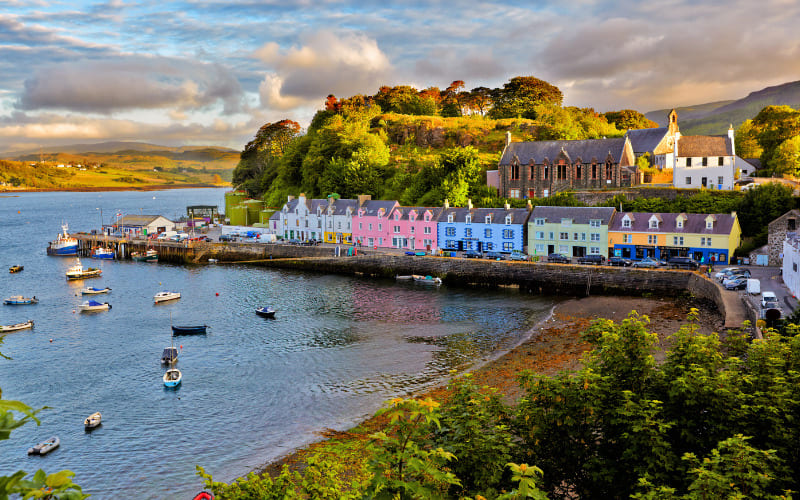
People speak of an unearthly force that draws them back to Skye again and again, be it in person or in memory – and once you have been on this Isle you will understand. It is not just the ever-changing landscape that takes your breath away but ...
Read More

The Orkney Islands are situated 6 miles off the North coast of Scotland and are like nowhere else in Scotland. This is where the Atlantic Ocean and the North Sea meet, causing one of the roughest stretches of water in Europe, the Pentland Firth. Staring north from ...
Read More
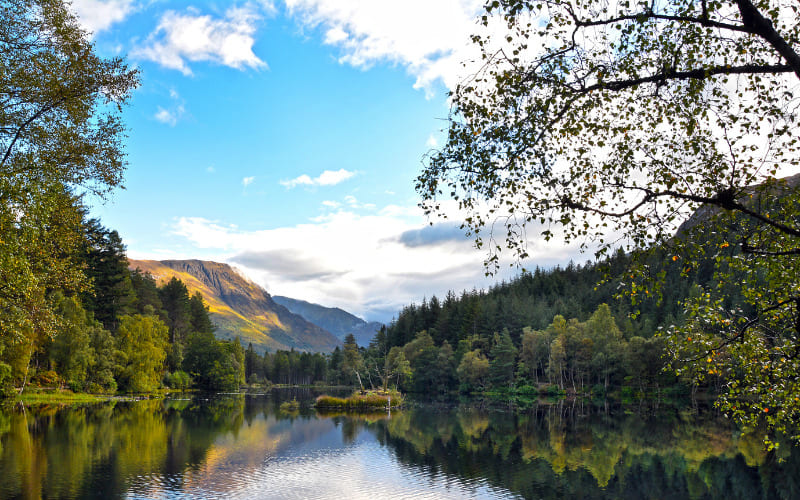
Glencoe is one of the most dramatic glens in Scotland with one of the most disturbing and painful stories of the Jacobean Period. As you enter from either side of the glen, the steep sides start to tower above your head ending with rugged peaks glistening in ...
Read More

Durness is the most North Westerly town on mainland Britain and is the home of Clan MacKay. Perhaps a little unexpected but you can find the John Lennon Memorial Garden within Durness for he spent many a childhood holiday enjoying the splendour of the area. There is ...
Read More

Oban is known as the Gateway to the Isles as it is the major port for ferries to many of Scotland’s Islands including Mull, Islay, Colonsay, Coll, Tiree, Bara, Lismore and South Uist. With all the ferries and fishing boats still active in the area, Oban is ...
Read More